Lophophora Williamsii: Frequently Asked Questions (FAQ)
Welcome to lophophorawilliamsii.eu.com, the extensive, search-optimized knowledge library for frequently asked questions. To address your most urgent questions about the biology, care, and legal framework pertaining to Lophophora Williams, we have created this special resource.ii. Known worldwide as the sacred peyote cactus, this species is a highly sought-after spineless desert succulent that needs extremely particular environmental conditions to flourish outside of its natural habitat. Understanding the distinctive characteristics of Lophophora Williamsii is crucial for effective cultivation, whether of whether you are an experienced collector looking for uncommon variants or an inquisitive novice thinking about your first seedling. Discover the useful botanical knowledge needed to reliably produce a robust, long-lasting peyote cactus in your home greenhouse by reading our comprehensive, in-depth responses below.
General Information and Botanical Identification
What exactly is Lophophora Williamsii, and how did it get its name?
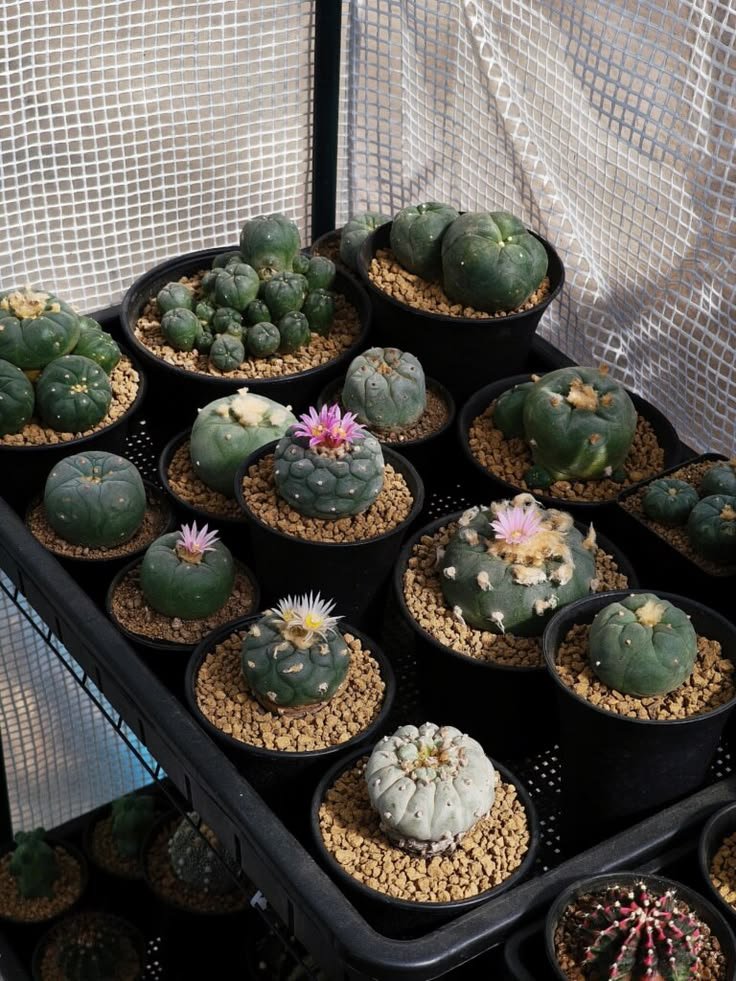
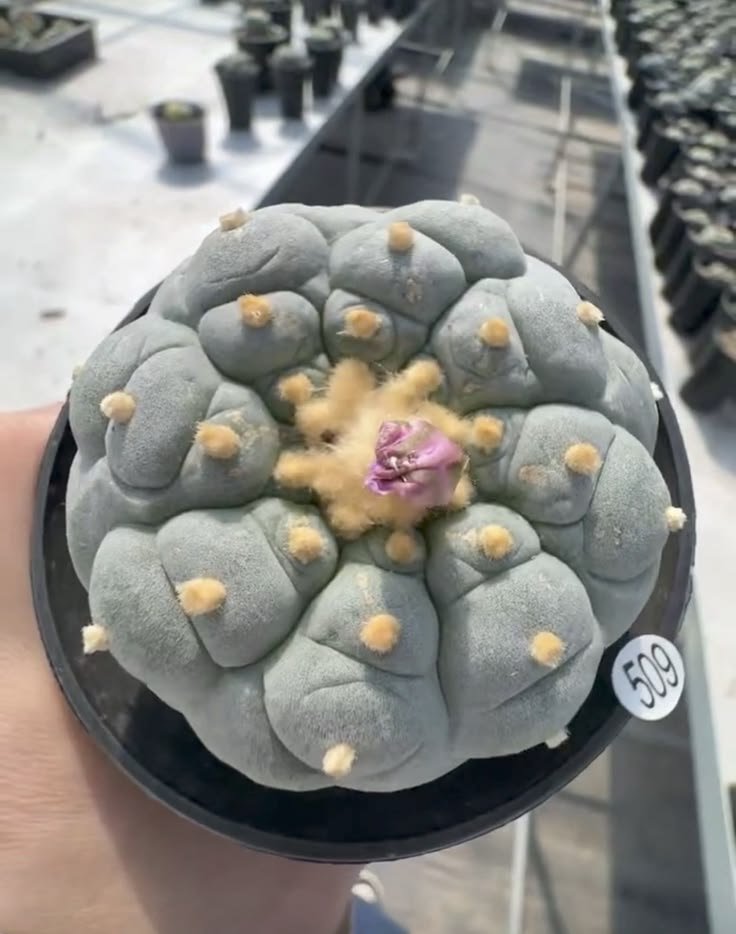
Native to the dry regions of northern Mexico and the southwestern United States, Lophophora Williamsii is a small, spherical cactus that grows slowly. This particular plant, which is biologically classified under the genus Lophophora, is well-known for its absence of sharp spines and is commonly known by its traditional common name, the peyote cactus. Lophophora Williamsii distinguishes itself from conventional desert plants by developing distinctive woolly tufts along its ribs in place of needles, giving it a very smooth, button-like appearance. Lophophora Williamsii has gained international recognition for its geometric beauty, profound cultural value, and distinctive evolutionary modifications throughout the course of centuries of botanical documentation.
How can I distinguish a true Lophophora Williamsii from other lookalike cacti?
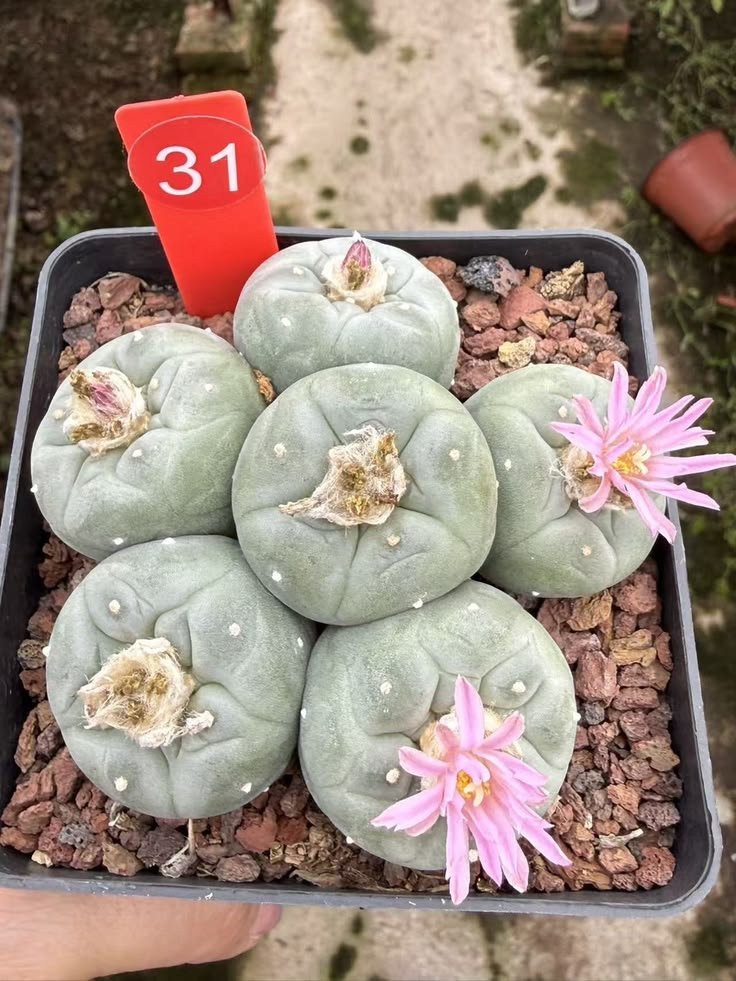
Lophophora Williamsii’s distinctive morphological traits, especially its ribbed structure and lack of spines, must be carefully examined in order to identify an authentic specimen. A real Lophophora Williamsii, in contrast to its near relative Lophophora diffusa, usually has conspicuous, straight, or slightly wavy vertical ribs instead of irregular, bumpy podaria and a well-defined glaucous blue-green skin tone. A mature peyote cactus can also be distinguished visually from non-psychoactive lookalikes such as Matucana madisoniorum by producing delicate pinkish-white flowers with a highly distinctive interior structure. Every Lophophora Williamsii you purchase from lophophorawilliamsii.eu.com is assured to be genetically legitimate and thoroughly examined by our local greenhouse specialists.
Soil, Water, and Climate Requirements
What type of soil substrate does a Lophophora Williamsii require to survive?
Traditional, peat-heavy potting soils, which store too much moisture and cause the plant to decay, must be completely abandoned if you want to grow Lophophora Williamsii properly. A very porous, mineral-rich substrate with up to 90% inorganic elements like pumice, perlite, coarse river sand, and pieces of volcanic rock is necessary for a robust peyote cactus. This unique mixture replicates the rocky limestone hillsides of your Lophophora Williamsii’s natural home by allowing moisture to quickly drain out from its enormous subterranean taproot. The most crucial thing you can do to avoid root rot and make sure your Lophophora Williamsii grows a robust, healthy root system is to supply this fast-draining mineral base.
How often should I water my Lophophora Williamsii throughout the year?
The “soak and dry” method is the gold standard for watering Lophophora Williamsii; water should only be applied when the mineral substrate is completely bone-dry. Depending on your local environment, you can completely soak your peyote cactus about once every two to three weeks during the busy spring and summer growing seasons. However, in order to allow your Lophophora Williamsii to enter its natural, cold-weather dormancy, you must fully stop watering it from late October to early April as winter draws near. A Lophophora Williamsii would undoubtedly develop systemic fungal infections and ruin your priceless specimen if you force it to sit in moist soil during the chilly winter months.
Growth Rates, Blooming, and Care Troubleshooting
Why is the growth rate of Lophophora Williamsii so famously slow?
Since Lophophora Williamsii is one of the slowest-growing cacti on the planet, patience is a must when adding it to your botanical collection. Due to limited nutrients and severe weather, a wild peyote cactus in its natural desert habitat may take up to ten years to grow to the size of a golf ball. A seed-grown Lophophora Williamsii can reach flowering maturity in about five to seven years under ideal greenhouse care at lophophorawilliamsii.eu.com, which is still extremely sluggish when compared to other succulents. Older, multi-ribbed specimens of Lophophora Williamsii are extremely valuable living sculptures that reflect years of devoted, daily care because of this slow-paced development.
What should I do if my Lophophora Williamsii begins to look soft, wrinkled, or discolored?
During the hot summer months, if your Lophophora Williamsii seems wrinkled or feels a little mushy, it’s usually an indication that your peyote cactus is parched and only needs a good watering. However, your Lophophora Williamsii may be experiencing the early stages of fatal root rot as a result of overwatering if the softness is followed by a yellowish or brownish discoloration at the base of the plant. If this happens, unpot your Lophophora Williamsii right away, use a sterilized knife to cut away any mushy root tissue, let the healthy taproot dry completely outside for a week, and then replant it in fresh, thoroughly dry soil.
About Our Services
Primary Care
Replicating Lophophora Williamsii’s native desert habitat is the first step in considering a “primary” setup or primary care regimen. A very porous, organic-free mineral substrate made of pumice, lava rock, coarse sand, and crushed limestone is the main environmental need for a healthy Lophophora Williamsii. The large, moisture-storing subterranean taproot is protected against stagnant moisture and disastrous decay by this fast-draining media, which guarantees that water swiftly flows through the container.
During its active development period, Lophophora Williamsii’s principal watering regulation is based only on a rigorous “soak and dry” practice. A Lophophora Williamsii should only be watered once the substrate has entirely dried out, which is often once every two to three weeks throughout the summer and hot spring seasons. As winter draws near, this main hydration regimen must completely cease, driving the cactus into a complete dry dormancy phase that maintains its compact, flat shape.
Lastly, strong, indirect, or filtered sunshine is the main illumination requirement for Lophophora Williamsii. Even though a mature Lophophora Williamsii enjoys extreme heat, its fragile, blue-green epidermis can be irreversibly burned by exposure to unfiltered, blazing midday sun without enough acclimatization. The key to effectively conserving this slow-growing botanical wonder is to establish these fundamental foundations of gritty mineral soil, sparing watering, and appropriate sun exposure.
Lophophora Williamsii
Peyote, or Lophophora Williamsii, is a small, button-shaped, spineless cactus that is indigenous to the Chihuahuan Desert, which is mostly found in regions of southwest Texas and northern Mexico. It has developed a characteristic blue-green or glaucous skin separated into soft, rounded ribs capped with tiny tufts of woolly hair, and it lacks the protecting sharp spines that most desert cacti have. In order to store moisture and endure protracted periods of severe desert drought, it mostly depends on a sizable, underground taproot.
Lophophora Fricii
A highly sought-after spineless cactus species that is closely related to Lophophora Williams is Lophophora Fricii. This button-shaped succulent is native to some dry regions of Mexico, including the Viesca region in Coahuila. It grows well in rough limestone habitats. Its many, wavy ribs, which tend to develop complex, spiraling patterns as the plant ages, and its light, yellowish-green to greyish-green epidermis are two physical characteristics that set it apart.
Lophophora Variegata
Within the Lophophora genus, Lophophora Variegata—better known as a variegated Lophophora—is a highly sought-after and distinctive genetic mutation. When a plant has a localized deficiency of chlorophyll, its normally blue-green or grey epidermis swirls with bright spots of yellow, cream, or soft orange. This phenomenon is known as variegation. For sophisticated collectors, variegated specimens are the ultimate “living art” items since each individual cactus has these unique color patterns.
Lophophora Cristata
Formally known as Lophophora williamsii f. cristata, Lophophora Cristata is one of the most notable and sought-after morphological oddities in the Lophophora genus. This “crested” mutation happens when the cactus’s main growing tip, the apical meristem, malfunctions. The plant develops an extremely odd, undulating fan or brain-like structure as a result of the cells dividing along a continuous linear ridge rather than directing growth outward from a single central point to generate a conventional round button.
Lophophora Diffusa
A unique and intriguing species in the Lophophora genus, Lophophora Diffusa is endemic to a very remote area of Mexico, namely the rocky, semi-arid riverbeds in the state of Querétaro. Its distinctive coloring and rib structure allow it to be visually distinguished from Lophophora Williamsii. Instead of having a chalky blue-grey skin, Lophophora Diffusa has a much softer yellow-green or lime-green epidermis. Its ribs are poorly defined, flat, and uneven, giving it a gorgeously smooth, wavy appearance.
Shipping, Legality, and Ordering Processes
Is it legal to purchase and own a Lophophora Williamsii within the European Union?
Although Lophophora Williamsii’s legal status varies greatly across international borders, botanical ownership of this plant as an attractive specimen is entirely legal within many EU member states. We specialize in supplying collectors with legally propagated, nursery-born specimens of the peyote cactus since lophophorawilliamsii.eu.com strictly complies with local ornamental plant rules. However, before placing an order for Lophophora Williams, it is always the buyer’s responsibility to confirm the local botanical regulations of their particular nation.ii. We only sell Lophophora Williamsii for home décor, scientific research, and horticulture preservation.
How does lophophorawilliamsii.eu.com guarantee the safe delivery of my peyote cactus?
We are aware that transporting a rare, spineless succulent like Lophophora Williamsii across international borders calls for careful handling and particular logistics. To avoid any moisture buildup during transportation, each unique peyote cactus ordered from our shop is meticulously cleaned, properly unpotted, and shipped bare-root. To provide complete discretion and optimal physical protection, we wrap the delicate crown and taproot of your Lophophora Williamsii in breathable, shock-absorbing fabrics and nestle them firmly inside simple, sturdy packaging. Your Lophophora Williamsii will be ready to be placed in your preferred pot and mineral substrate to start a new life in your collection as soon as your delivery arrives.
-
Sale!
Lophophora Fricii 5-6 cm
Original price was: €299.00.€149.00Current price is: €149.00. -
Sale!
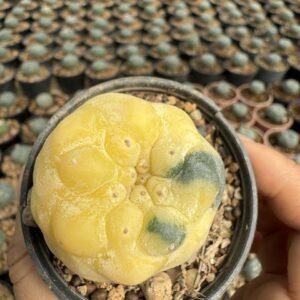
Lophophora Williamsii Variegata 5-6 cm
Original price was: €299.00.€249.00Current price is: €249.00. -
Sale!
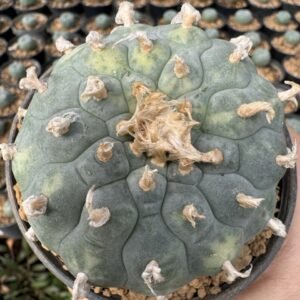
Lophophora Williamsii Variegata 7-8 cm 25 years old seed ownroot flower seedling
Original price was: €799.00.€399.00Current price is: €399.00. -
Sale!
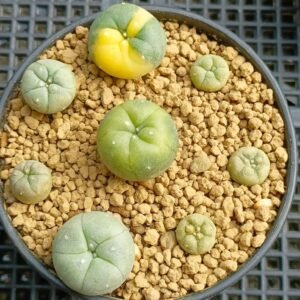
Lophophora Williamsii Variegata 3-4 cm
Original price was: €149.00.€89.00Current price is: €89.00.
Trust lophophorawilliamsii.eu.com for Complete Botanical Support
We hope that this thorough FAQ guide has helped you comprehend and appreciate the sensitive growth patterns of the magnificent Lophophora Williamsii. To help you at every stage of your legal growing adventure, our portal at lophophorawilliamsii.eu.com is constantly updated with the most recent horticulturally accurate data. Check out our in-depth care articles or get in touch with our committed botanical support staff right now if you have any more questions about maintaining or growing your own Lophophora Williamsii.