
Welcome to Your Ultimate Resource for Lophophora Williamsii
Welcome to the best online resource for botanists, aficionados, and discerning collectors of the most intriguing spineless cactus in the planet. Our whole focus at lophophorawilliamsii.eu.com is to provide Lophophora Williams with high-quality, ethically grown specimens and all-inclusive care information.ii. Often referred to as the sacred peyote cactus, this remarkable species is a captivating complement to any expert botanical collection. Our goal is to provide enthusiastic European gardeners with robust, healthy plants and in-depth knowledge about the cultivation and history of Lophophora Williamsii. Learn about the deep botanical ancestry, unique physical characteristics, and exact husbandry techniques needed to effectively raise your own peyote cactus in the convenience of your own home.
Best Sales Plants
The Timeless Appeal of the Peyote Cactus
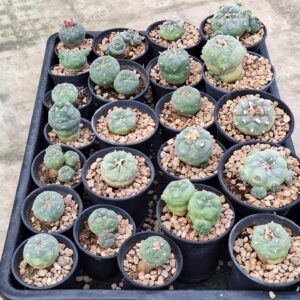
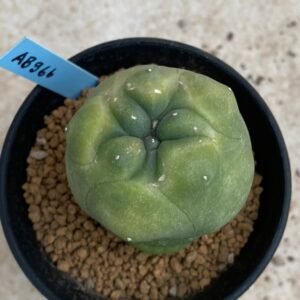
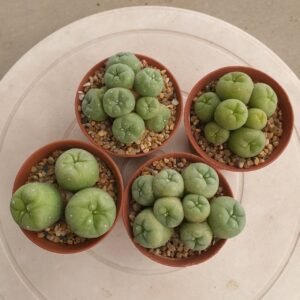
Deeply ingrained in the cultural, medical, and spiritual traditions of indigenous tribes throughout North America, Lophophora Williamsii has captivated human imagination for millennia. Biologically classified as Lophophora Williamsii, this little button-like desert succulent is well-known for its intriguing ethnobotanical past as the venerated peyote cactus. Lophophora Williamsii has smooth, spineless ribs adorned with soft, tufted white wool rather than sharp, menacing needles, in contrast to many aggressive desert plants. Growing this unusual peyote cactus gives you the peaceful, long-term benefit of witnessing a living relic gradually mature while protecting a threatened species in regulated settings. Modern collectors can better appreciate the slow, contemplative growth cycle that characterizes this amazing spherical plant by learning about the deep-rooted heritage of Lophophora Williamsii.
Buy 3 Get One Free
New Arrivals
Until November 21st
15% Off Succulents
Spring Sale
Through September 1st
Outdoor Plants
50% Off
Ends October 12th
Choosing Your Perfect Lophophora Williamsii Specimen
“You will discover unique Lophophora Williamsii kinds that are suited to your particular experience level when you peruse the specialist, responsibly obtained inventory at lophophorawilliamsii.eu.com. For patient novices who wish to experience the gratifying voyage of nurturing a peyote cactus from its earliest stages, we offer young, extremely robust seedlings of Lophophora Williamsii. Our older, mature Lophophora Williamsii specimens have the highly sought-after multi-ribbed geometry, which the peyote cactus only acquires after decades of meticulous cultivation, making them ideal for advanced collectors. Every single Lophophora Williamsii we ship, from solitary button forms to clustering, multi-headed caespitose variants, is certain to be true to type, healthy, and cultivated under ideal nursery circumstances. We take pleasure in assisting you in choosing the perfect peyote cactus to complement the style of your collection and your individual gardening objectives.”

Essential Care and Cultivation Guide
Growing Lophophora Williamsii successfully necessitates a methodical, detached approach that closely resembles the arid habitat of the plant. Traditional potting soils will retain too much water and cause the peyote cactus to decay because Lophophora Williamsii depends on a huge subterranean taproot to store moisture and nutrients. If you want your Lophophora Williamsii to develop its traditional, lovely glaucous blue-green color, you must provide the proper ratio of heat, light, and specific substrate. To guarantee that your peyote cactus flourishes during the different seasons, adhere to these fundamental environmental measures:
1. Selection of Substrate: Porosity is crucial.Plant your Lophophora Williamsii on a non-organic, highly mineral substrate that contains perlite, pumice, and coarse sand. This guarantees that extra water will quickly drain away from your peyote cactus’ delicate taproot.
2. Light Exposure: The sun is bright and indirect.Give your Lophophora Williamsii plenty of bright indirect light or filtered sunlight. The peyote cactus prefers warmth, yet its delicate, spineless skin can be burned by strong afternoon sun.
3. Soak and dry method of watering schedule.Only once the soil substrate has completely dried out should you give your Lophophora Williamsii plenty of water. To let your peyote cactus go into its natural dormant period, completely stop watering it during the chilly winter months.
Understanding the Growth Cycle of the Peyote Cactus
When incorporating Lophophora Williamsii into your collection of sunny windowsills or home greenhouses, patience is the most important quality. Lophophora Williamsii usually has five distinct, smooth ribs while it is young, but as the peyote cactus matures over several years, it can have up to thirteen ribs. Lophophora Williamsii frequently rewards the gardener with lovely pink or white blossoms during the warm summer months after a specimen reaches reproductive age. One of nature’s most pleasant mini-spectacles is witnessing the tactile stamens of a flowering Lophophora Williamsii close gently when touched. By making a commitment to the long-term maintenance of this slow-growing peyote cactus, you become a part of an international community committed to conserving Lophophora Williamsii’s beautiful geometric beauty.
Why Buy From lophophorawilliamsii.eu.com?
It takes a great deal of confidence, accuracy, and botanical integrity to buy Lophophora Williamsii online. The long-term health of each and every Lophophora Williamsii plant is more important to us at lophophorawilliamsii.eu.com than rapid commercial scaling or artificial growth boosts. Our nursery methods preserve the peyote cactus’s slow-paced, natural life cycle by avoiding harsh chemical fertilizers that weaken the plant’s systemic immunity and cause bloating. When you purchase a Lophophora Williamsii from our upscale European store, you will receive a sturdy, bare-root peyote cactus that is carefully wrapped to ensure its safe delivery. To guarantee that your fragile Lophophora Williamsii reaches your door in perfect shape, we handle every box using discrete, secure materials.
Frequently Asked Questions
Is Lophophora Williamsii difficult to grow at home?
No, once you know its fundamental requirements for heat and moisture, Lophophora Williamsii is incredibly durable. Overwatering is the most frequent error, but if you have a very mineral soil mix, your peyote cactus will flourish with no help. Actually, Lophophora Williamsii would rather be ignored than worried over.
How long does it take for the peyote cactus to flower?
Lophophora Williamsii is a notoriously slow-growing cactus, so it may take several years for the first lovely summer blooms to appear. Purchasing an established young Lophophora Williamsii plant from our store enables you to enjoy a mature peyote cactus much sooner by avoiding those delicate early years.
How do you ship Lophophora Williamsii safely across Europe?
Every Lophophora Williamsii is carefully wrapped in breathable, protective fabric and shipped bare-root. This expert technique avoids excessive moisture retention during delivery and shields your peyote cactus’s huge taproot from travel shock. When it arrives, your Lophophora Williamsii is prepared to be potted in its new mineral home.
Start Your Botanical Journey Today
Now is the ideal moment to add Lophophora Williamsii’s historic beauty to your home’s botanical collection. Our passion at lophophorawilliamsii.eu.com motivates us to find, grow, and distribute the best peyote cacti accessible in Europe. View our seasonal collection of individual Lophophora Williamsii specimens by visiting our safe online store right now. Allow us to assist you in selecting the ideal companion plant for peyote cacti that will repay your perseverance with enduring desert beauty for future generations. For anything pertaining to Lophophora Williamsii, rely on lophophorawilliamsii.eu.com as your go-to lifetime companion.