The Complete Guide to the Lophophora Williamsii Cactus: Identification, Cultivation, and Care
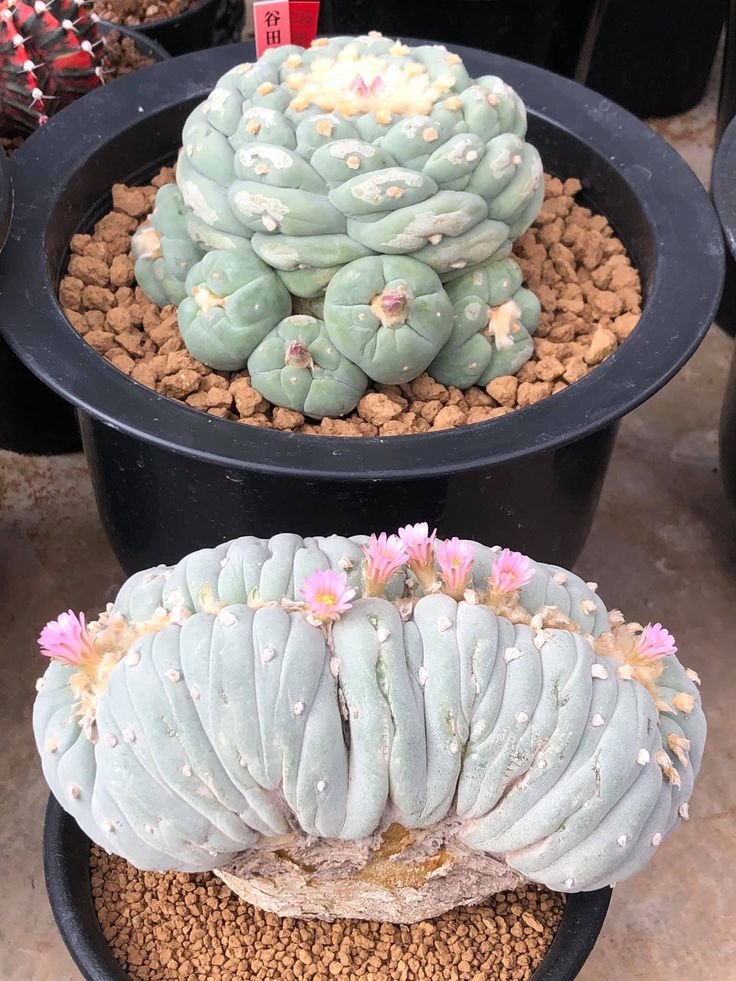
Few desert plants are as fascinating as the Lophophora williamsii cactus. This slow-growing succulent has a special place in botanical collections all over the world because of its peculiar button-like shape, smooth blue-green flesh, and total lack of harsh spines.
Understanding Lophophora williamsii’s natural environment, particular soil requirements, and sluggish growth cycle is essential to mastering its care, whether you are a seasoned collector growing your desert garden or a plant enthusiast interested in unusual succulents.
The biology, natural habitat, substrate composition, watering methods, and typical pitfalls of cultivating a healthy Lophophora williamsii cactus will all be covered in this comprehensive cultivation guide.
Botanical Overview & Physical Characteristics
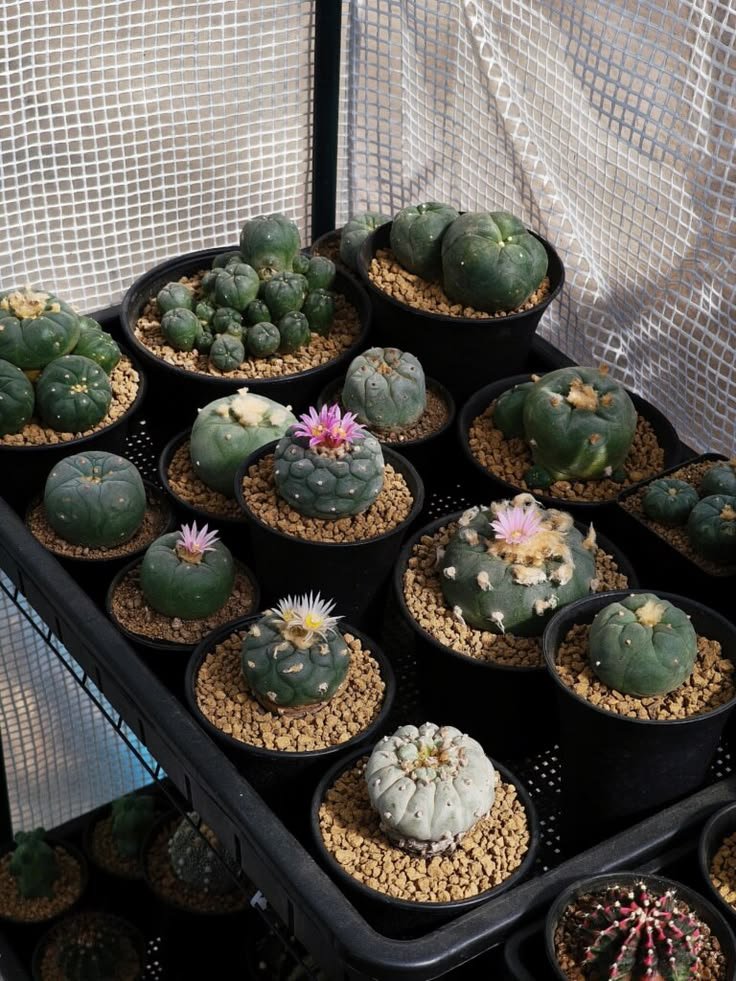
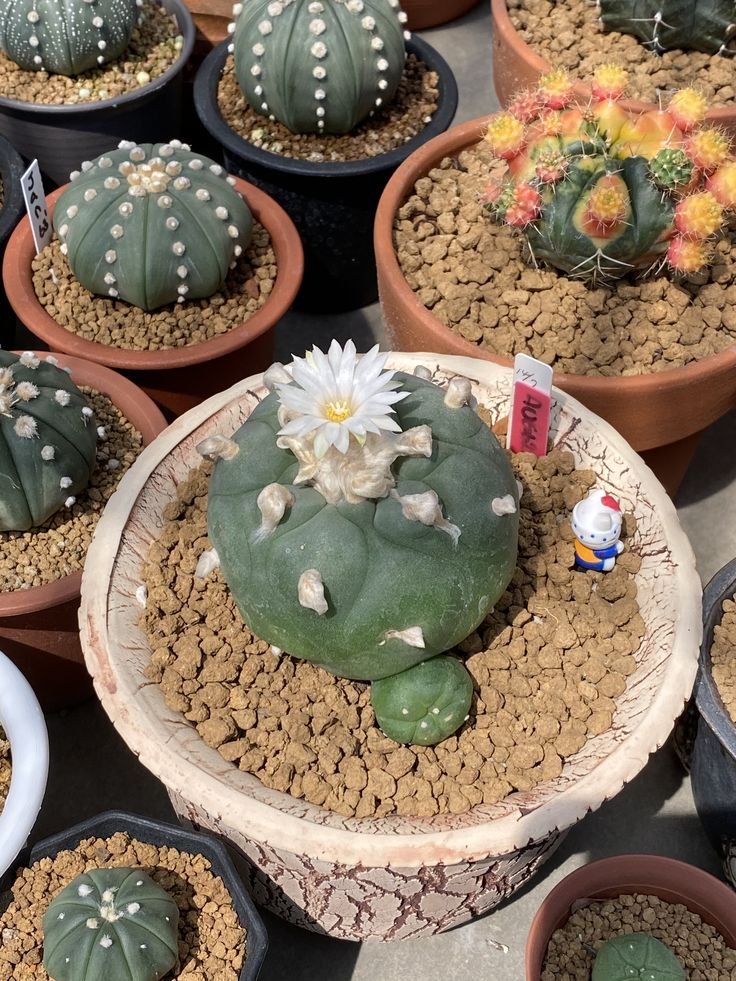
Lophophora williamsii is a member of the Cactaceae family. This species is completely spineless, in contrast to conventional cacti that have spiky defensive needles. The plant has soft, tufted white or yellow hairs along its ribs that emerge from tiny fuzzy nodes called areoles in place of spines.
Key Visual Features
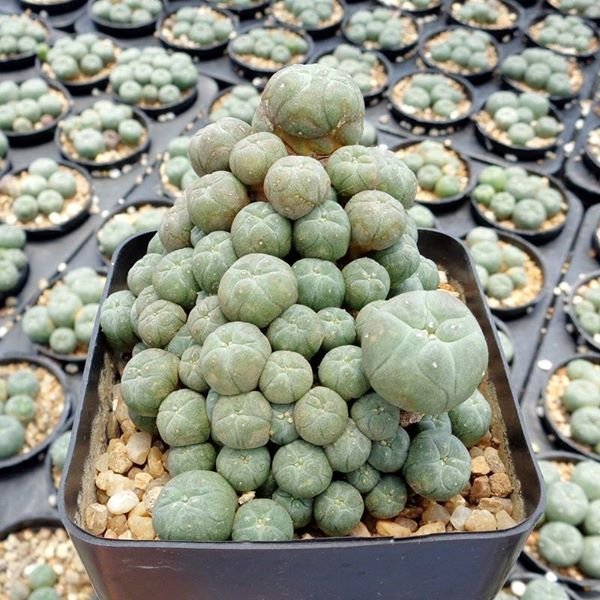
- Stem: Usually reaching 2 to 7 cm in height and 4 to 12 cm in diameter, the stem is a globular, flattened spherical (“button”) shape.
- Color: Grayish-green to glaucous blue-green, frequently taking on a silver shine in bright light.
- Ribs: As the plant ages, it typically has five to thirteen distinct vertical or spiral ribs.
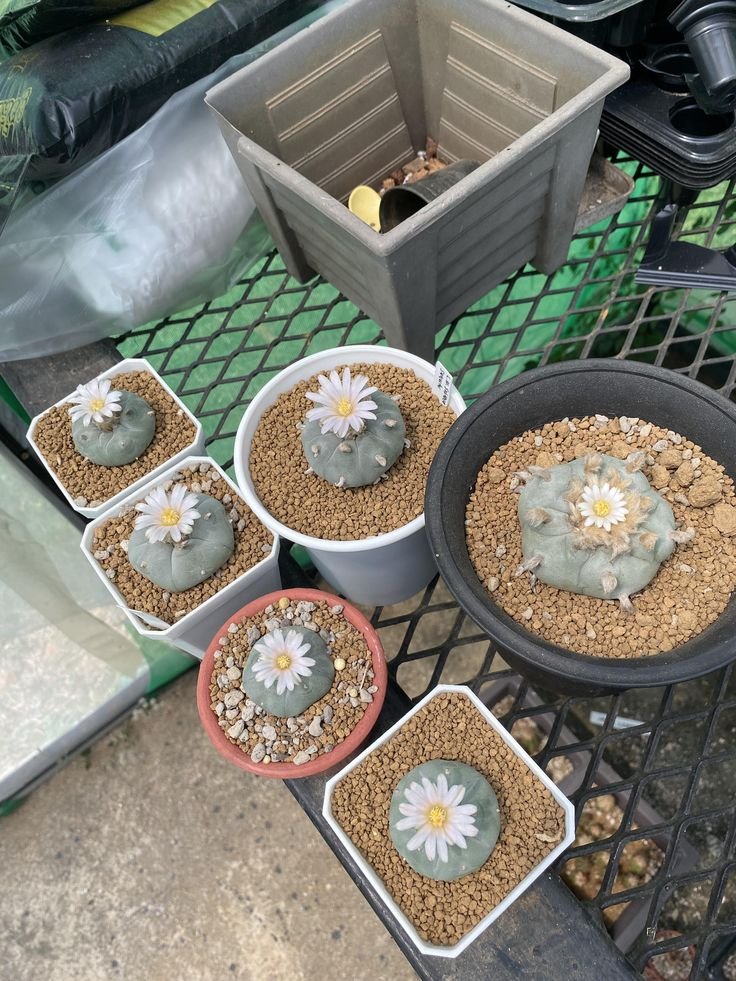
- Flowers: During the warm summer months, the center apical tuft produces pink to white funnel-shaped blooms.
- Taproot: Up to 80% of the plant’s total volume is made up of this enormous underground taproot that resembles a turnip.
Natural Habitat & Environmental Adaptations
A healthy Lophophora williamsii cactus can be grown inside or in a greenhouse by simulating its natural habitat.
This species is indigenous to the Chihuahuan Desert, which extends into southern Texas and northern Mexico, encompassing states like Coahuila, Tamaulipas, and San Luis Potosí. In the wild, it thrives on rocky slopes beneath the filtered shade of desert shrubs, in dry scrublands, and on soils rich in limestone.
Desert Survival Adaptations
- Underground Shrinkage: In order to protect itself from the intense heat and foraging animals, the plant shrinks into the earth during extremely dry seasons, pushing its stem below ground.
- Moisture Storage: During months of drought, its thick, meaty taproot serves as an underground reservoir, holding onto water.
- CAM Photosynthesis: It minimizes moisture loss on hot days by opening its stomata only at night to collect carbon dioxide, just like many desert succulents.
Complete Care & Cultivation Manual
The key to successfully growing a Lophophora williamsii cactus is patience and careful moisture management. The most frequent error made by farmers is overwatering.
1. Soil & Substrate Mix (Crucial)
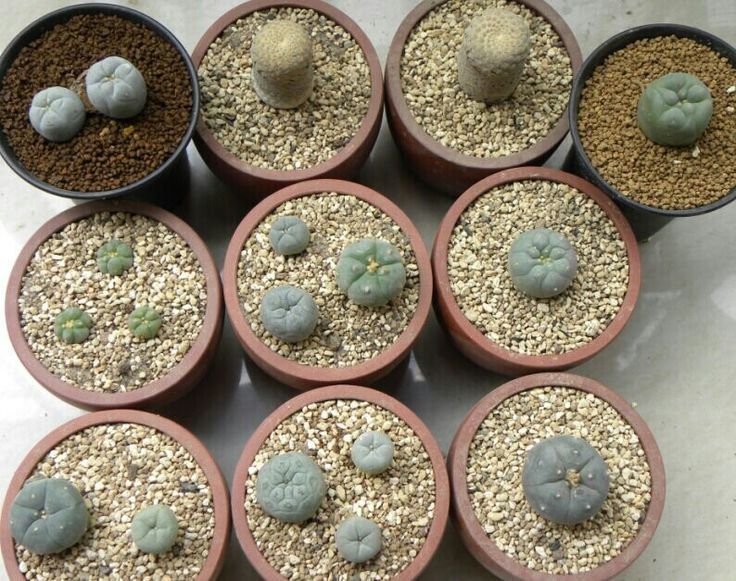
Taproot rot will develop in a matter of weeks with standard commercial potting soil. The perfect substrate should be rich in coarse minerals, fast-draining, and very inorganic.
| Substrate Component | Recommended Ratio | Primary Function |
| Pumice / Lava Rock | 40% | Porosity, aeration, and light weight |
| Limestone / Akadama / Calcite Grit | 40% | Mineral nutrients and pH balance (alkaline) |
| Coarse Perlite / Coarse Sand | 10% | Rapid drainage |
| Organic Cactus Soil / Compost | 10% | Minimal moisture retention for root feeding |
Pro Tip: Aim for an 85:15 or 90:10 inorganic to organic ratio. When water is applied, the substrate should drain virtually immediately.
2. Watering Schedule & Seasonal Cycle
Adhere to a rigorous seasonal watering schedule that takes daylight and temperature into account:
Spring (April–May): As daylight temperatures climb, start light watering again. Water once every three to four weeks, letting the soil to dry up in between.
June through August is the summer, when growth is most active. Only after the soil is completely dry should it be thoroughly watered every two to three weeks. Make sure pots completely dry out in 48 hours.
Autumn (September–October): To get the plant ready for winter dormancy, drastically reduce the frequency of watering.
Winter: The entire drought period (November through March). Don’t water the plant. Lower the temperature to between 5°C and 12°C (41°F and 54°F) while keeping the soil fully dry. Summer flower production is triggered by winter dormancy.
3. Light Requirements
Young or just planted specimens can burn in the harsh summer sun, even though they thrive in bright light.
Bright, indirect light or morning direct sun combined with afternoon filtered shadow is the ideal light.
Indoor Growing: Spend 12 to 14 hours a day under high-output LED grow lights that are placed 8 to 12 inches above the plant.
Signs of Sunburn: Heat and sun stress ae indicated by a reddish or purple color. Place the plant in a lightly shaded area.
Step-by-Step Propagation Guide
For careful growers, propagating a Lophophora williamsii cactus is a pleasant procedure, but it takes time.
- Harvest Seeds from Mature Pods: Little pink fruits appear following summer flowering. Gather the small black seeds when they have dried.
- To prepare germination trays, use a sterile mixture of fine peat and inorganic minerals (50/50). Plant seeds on a sterile medium that has been watered. Instead of burying them deeply, give them a quick dusting with fine sand.
- Maintain High Humidity: To maintain 90%+ ambient humidity, cover the tray with a clear dome or seal it within a zip bag and place it under soft grow lights at 22°C to 28°C (71°F to 82°F).
- Gradually Acclimate Seedlings: Start after four to six months of consistent growth. Before reintroducing regular air circulation, make tiny holes in the plastic seal over a period of weeks to reduce humidity.
Common Pests & Troubleshooting
Diseases and pests affect even hardy desert flora. Maintaining your collection requires early detection.
1. Root Rot (Fungal Infection)
- Symptoms: In the vicinity of the soil line, the body becomes soft, squishy, or black.
- Cause: Watering during winter dormancy, excessive wetness, or inadequate soil drainage.
- Solution: Take the plant out right quickly, use a sterile blade to cut away mushy, decaying tissue, apply sulfur powder to the area, and allow it to callus for two to three weeks before repotting in dry mineral substrate.
2. Spider Mites & Mealybugs
- Symptoms: include white cotton-like webbing surrounding the tufts (mealybugs) or brown, rusty spots on the skin (spider mites).
- Solution: Use a Q-tip dipped in 70% isopropyl alcohol to treat mealybugs directly. Increase air circulation and use horticultural soap or neem oil in low light to combat spider mites.
Summary Checklist for Healthy Growth
Use this short reference checklist to maintain the health of your Lophophora williamsii cactus throughout the year:
Use 85–90% mineral grit (pumice, limestone, and lava rock) as the substrate.
[ ] Pot Selection: To accommodate the lengthy taproot, use deep clay pots.
Watering: In between waterings, totally dry out the soil; in the winter, use no water at all.
[ ] Light: Use some morning sun to provide bright, indirect light.
[ ] Dormancy: From November to March, keep absolutely dry and cool (5°C to 12°C).
Your Lophophora williamsii will flourish for decades with the suitable mineral substrate, sparing watering, and strong sunshine, rewarding your hard work with exquisite summer blossoms!